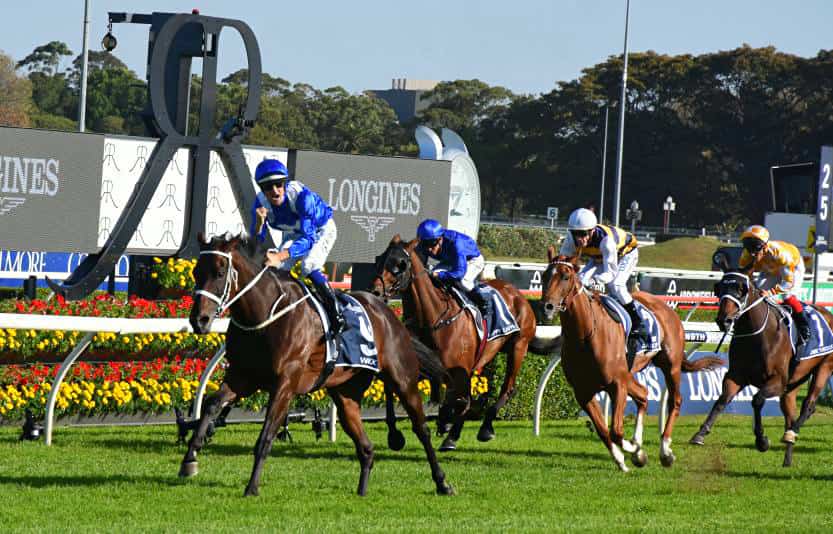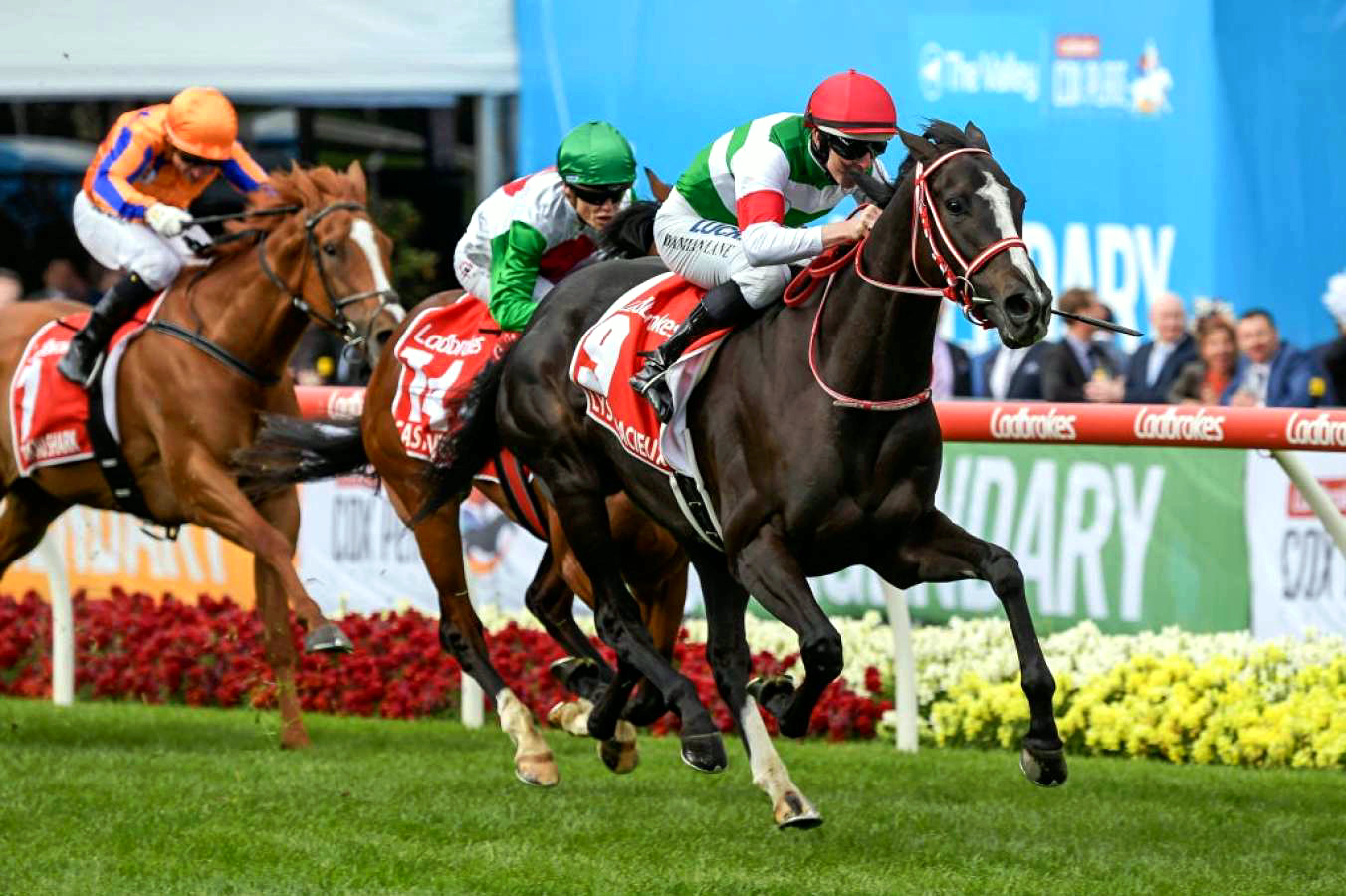
The Foundation of Racing Lineage

The Foundation of Racing Lineage
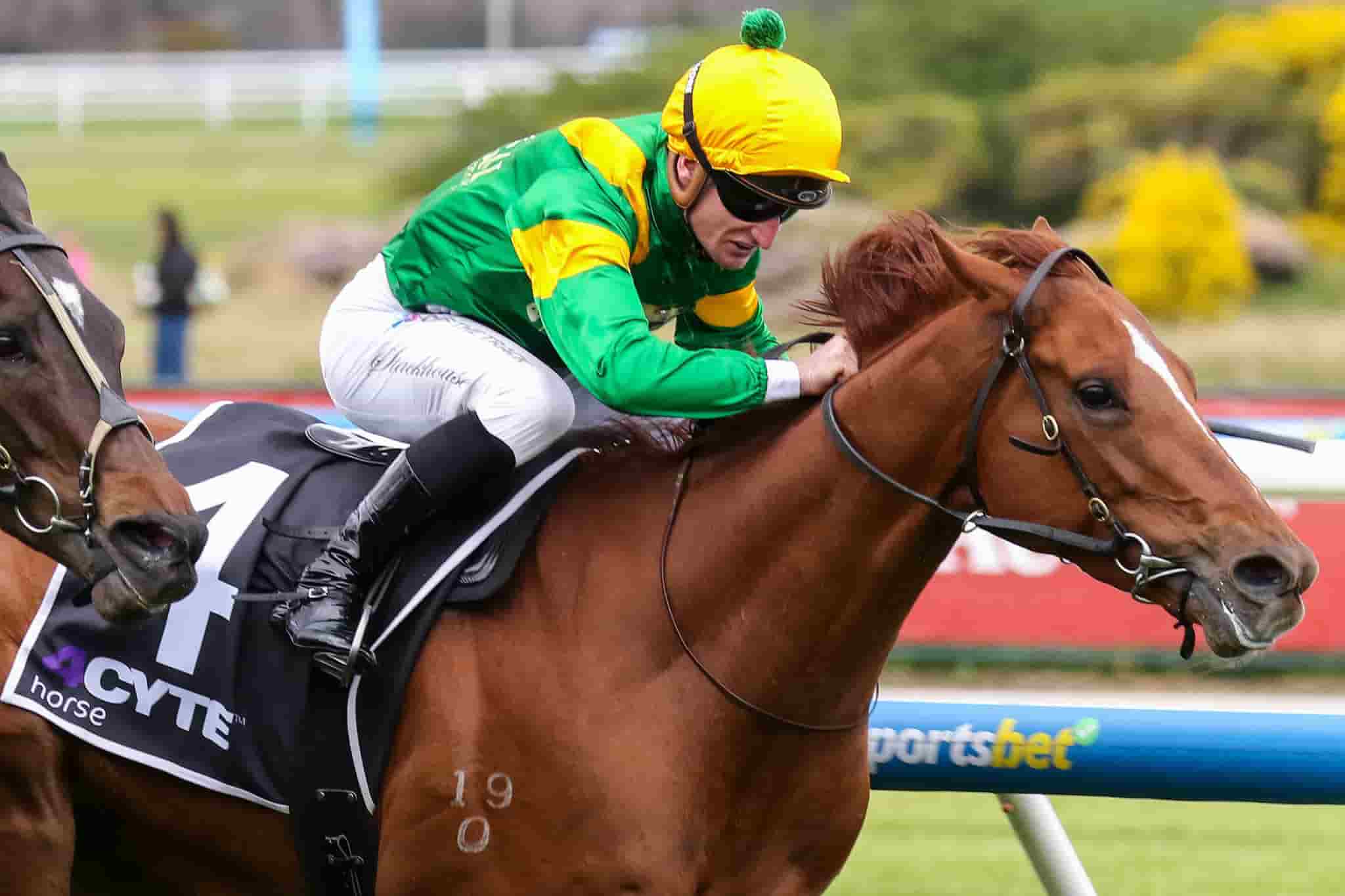
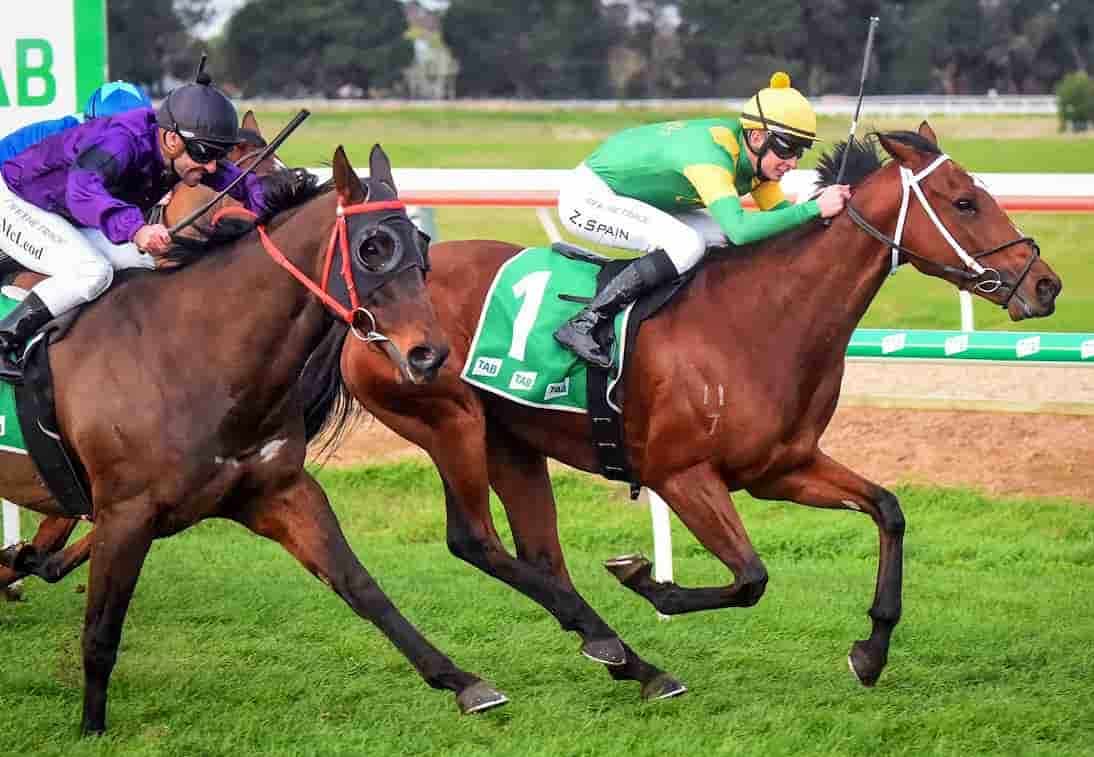
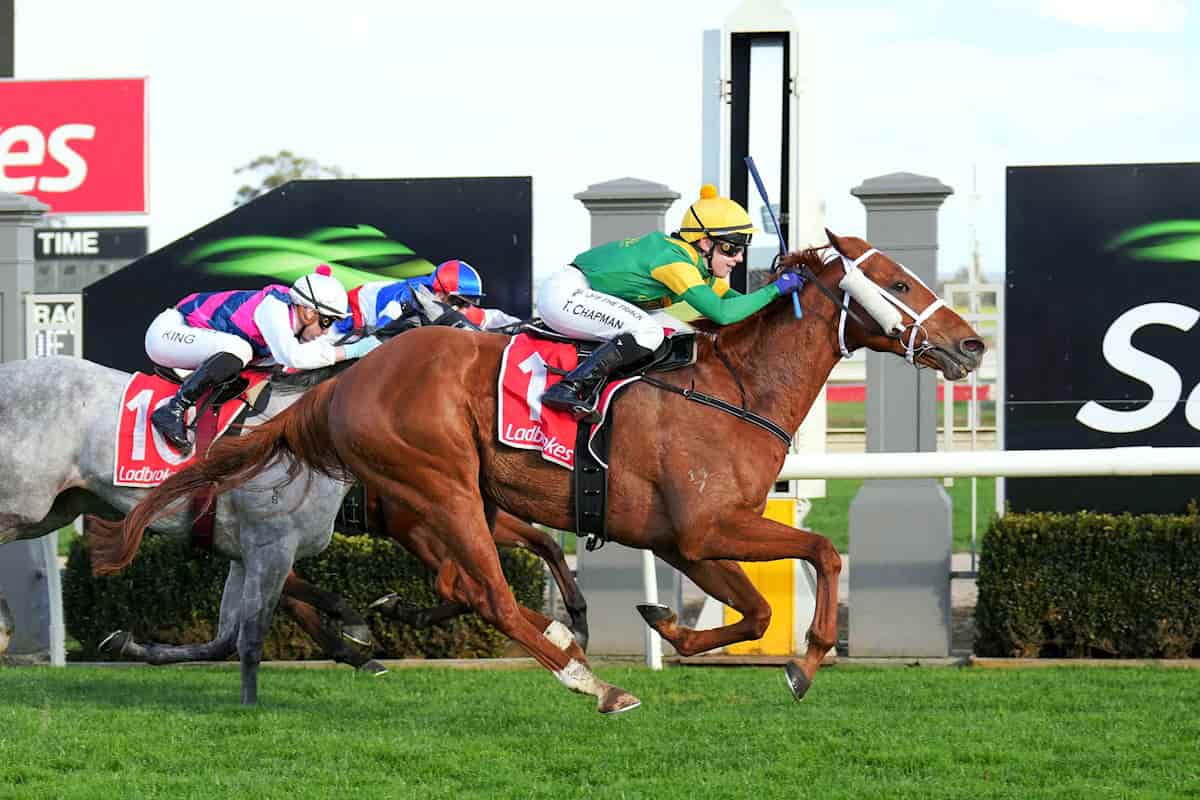
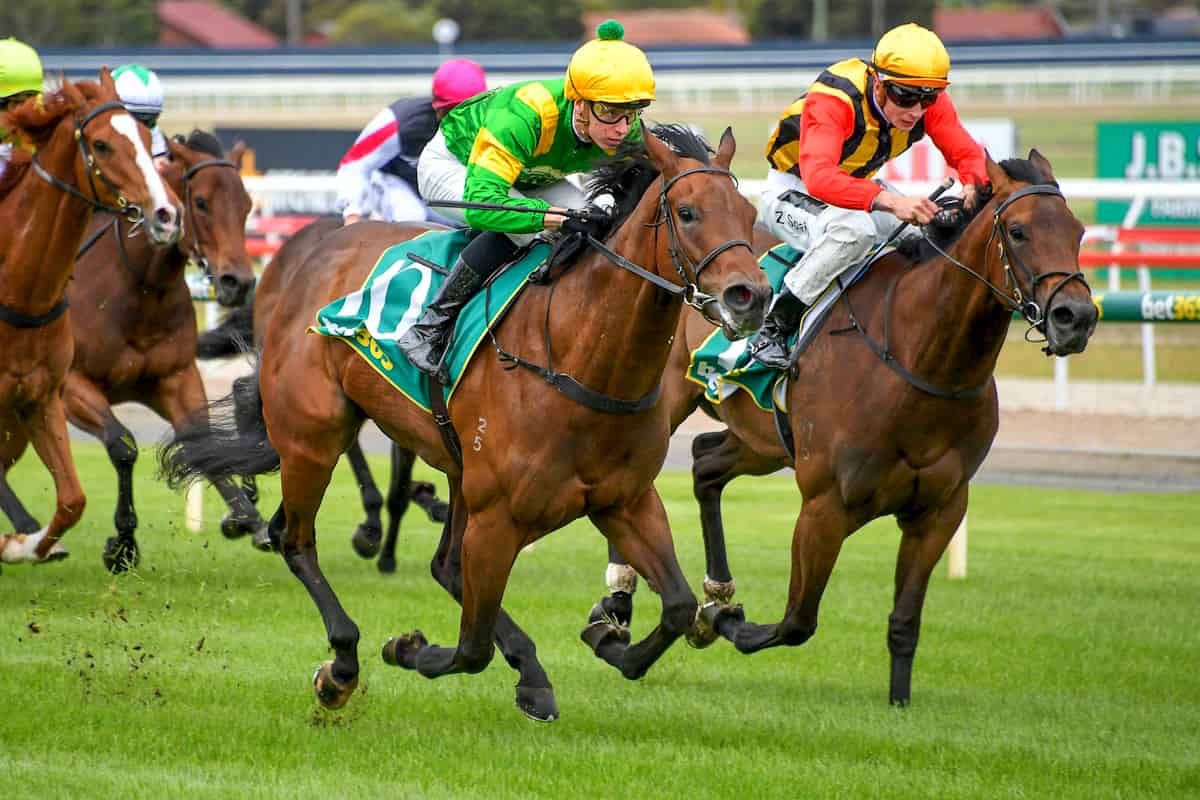
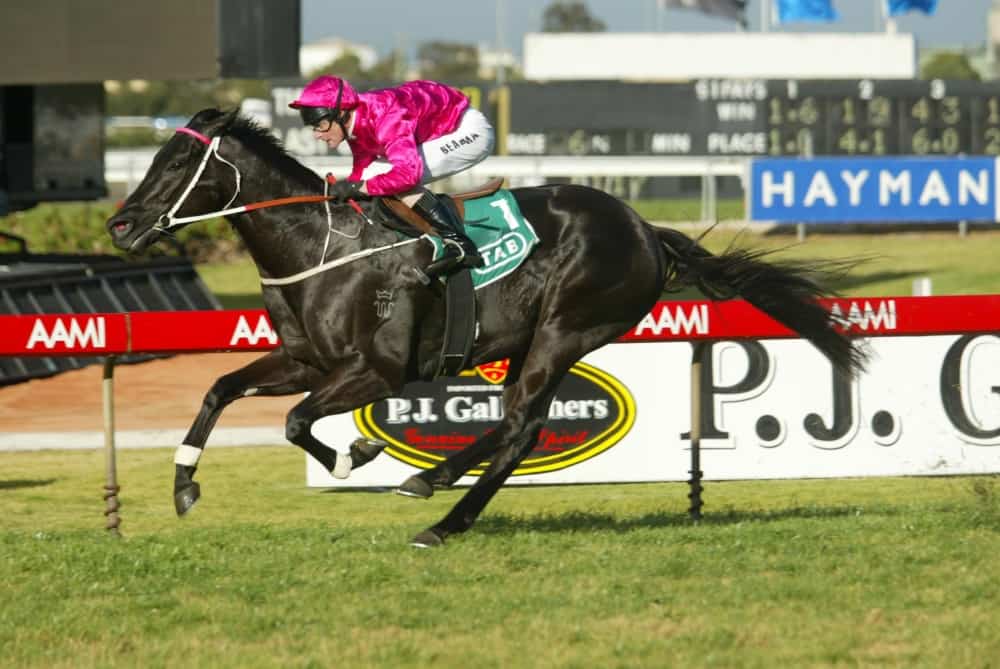
Regal Zeus Dominates on Underwood Stakes Day

Racehorse breeding has a rich history that goes back centuries, rooted in the idea that a horse’s lineage can determine its speed, stamina, and even temperament on the track.

To understand today’s racehorses, it’s essential to look back at the origins of the thoroughbred bloodline and the selective breeding practices that created the athletes we see today.

From the influence of legendary sires to the formation of studbooks, the foundation of racing lineage is a fascinating story of heritage, strategy, and tradition.

The Origins of the Thoroughbred

Thoroughbred racehorses trace their ancestry to three foundation sires: the Byerley Turk, the Darley Arabian, and the Godolphin Arabian.

These stallions, imported to England in the late 17th and early 18th centuries, introduced traits like speed, endurance, and athleticism into the English bloodstock. Breeders meticulously paired these sires with select mares, seeking to create a breed capable of excelling in racing.

The results were dramatic, leading to a breed that was both elegant and powerful—a combination that continues to define the modern thoroughbred.

  1. The Byerley TurkNamed after Captain Robert Byerley, who captured him in battle in 1686, the Byerley Turk was renowned for his endurance and fiery spirit. Though his influence is less prominent than that of the Darley Arabian or Godolphin Arabian, his descendants carry a legacy of resilience and heart.
  2. The Darley Arabian : Brought to England by Thomas Darley in 1704, the Darley Arabian was noted for his speed and refined build. His bloodline became a dominant force in the thoroughbred gene pool, and today, the majority of thoroughbreds trace their ancestry to him. This stallion’s progeny became famed for their swiftness and agility, marking him as a foundational influence on racing lineage.
  3. The Godolphin Arabian : Arriving in England around 1729, the Godolphin Arabian was originally given as a gift to King Louis XV of France. Eventually acquired by the Earl of Godolphin, this stallion displayed a compact, muscular build and an extraordinary drive, traits that continue to influence thoroughbreds to this day. His descendants were known for their strength, and he remains a prominent figure in the pedigree of many champion horses.
the Byerley Turk, the Darley Arabian, and the Godolphin Arabian

Together, these three sires shaped the genetic base of the modern thoroughbred. With their arrival, breeders began to understand the value of recording bloodlines, leading to the establishment of the General Stud Book in England in 1791.

This registry documented pedigrees and set strict criteria for a horse to be recognized as a thoroughbred, laying the groundwork for the regulated breeding and racing industries we know today.


Selective Breeding and the Importance of Lineage

The breeding practices that developed over time were based on the idea that specific traits could be isolated and passed down through generations.

Breeders aimed to enhance particular qualities like speed, stamina, and conformation by matching sires and dams with complementary strengths.

This was the beginning of selective breeding in its modern form, an approach that requires both knowledge and foresight.

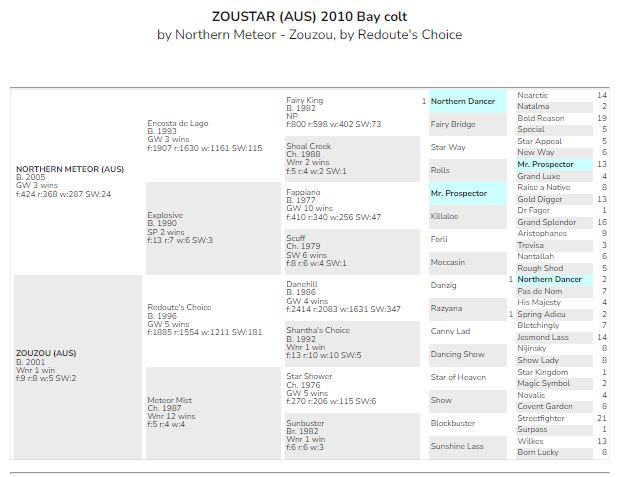
One critical aspect of selective breeding is linebreeding, a practice where horses are paired to reinforce desirable traits from a common ancestor.

For example, a sire may be chosen for his resemblance to a famed ancestor, with the hope that he will pass down specific genetic attributes, like a powerful stride or an exceptional turn of speed.

This strategy helps maintain the purity of the bloodline while amplifying the qualities that define top-tier racehorses.


The Role of Studbooks and Pedigree Tracking

The formal recording of pedigrees became increasingly important as breeders realized that detailed records allowed them to make more informed breeding choices.

The General Stud Book, first published in England, served as a critical resource for breeders who sought to trace the lineage of potential sires and dams.

This registry established the standards for what constituted a thoroughbred and has since been emulated worldwide, with studbooks created in North America, Australia, and other major racing nations.

Pedigree tracking provided insights into which bloodlines consistently produced fast, durable horses, and which combinations resulted in horses with weaknesses, such as susceptibility to injury or difficulty adapting to varying track conditions.

This data helped breeders refine their approaches over generations, ultimately leading to the finely tuned athletes we see on the track today.


Legends of the Early Bloodlines

Some early champions set the stage for modern breeding, their names woven into the fabric of racing history. Among them was Eclipse, a descendant of the Darley Arabian, who was undefeated in 18 races.

His progeny carried on his legacy, and his bloodline can still be traced in many of today’s champions. Known for his dominance on the track and his profound influence as a sire, Eclipse’s impact extended beyond his victories; his bloodline became synonymous with excellence.

Similarly, Herod, a grandson of the Byerley Turk, was another influential sire who passed down traits of endurance and tenacity.

Known as a horse with immense staying power, Herod’s descendants excelled in long-distance races, adding stamina to the thoroughbred gene pool. His influence provided a counterbalance to the speedier Darley Arabian bloodline, giving rise to thoroughbreds that could handle a variety of distances.

Matchem, a grandson of the Godolphin Arabian, was another figure of note in the early pedigrees.

Known for his versatility, he contributed to a balanced bloodline that embodied both speed and strength. Together, Eclipse, Herod, and Matchem became known as the “big three” foundation sires of English thoroughbreds, and their legacy endures in the pedigrees of racehorses around the world.
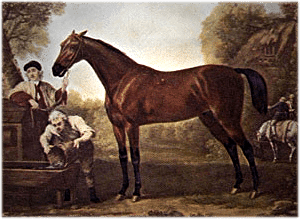
Matchem

The Evolution of Pedigree Strategy

As the centuries progressed, breeders became more strategic in their approach to lineage. Bloodlines were selectively crossed to create horses with optimal traits for specific types of races.

For example, lineages with a high concentration of Darley Arabian genes were often favoured for shorter sprints, while horses with Byerley Turk ancestry were prized for endurance events.

This evolution wasn’t without its risks. Inbreeding, while used strategically to amplify desirable traits, also increased the likelihood of passing on genetic weaknesses.

This challenge has shaped breeding practices, and it’s one reason why today’s breeders are careful to balance inbreeding with outcrossing—introducing new genes to maintain genetic diversity and reduce the risk of inherited health issues.

Conclusion

The foundation of racing lineage is a story of tradition, science, and a relentless quest for excellence.

From the Byerley Turk, Darley Arabian, and Godolphin Arabian, each bringing unique traits to the thoroughbred breed, to the creation of studbooks and the fine art of selective breeding, the world of racehorse lineage is built on centuries of careful planning and observation.

Each pedigree carries not only a genetic code but also a legacy, with the hope that each new generation might produce a champion.

In the chapters that follow, we will dive deeper into specific elements of racehorse pedigree: how genetics influence performance, the roles of sires and dams, and how breeders make decisions that shape the future of the sport.

Understanding the foundation of racing lineage allows us to appreciate the power of pedigree and the strategic foresight that continues to shape the world of racing today.


Read the complete book — download your copy today.
Dynasties on the Track: Deciphering the Blueprint of Racing Greatness in Family Lines

Dynasties on the Track: Deciphering the Blueprint of Racing Greatness in Family Lines

Lonhro racehorse

Racehorse Family Lines:

In the world of horse racing, the concept of family lines is a narrative woven with threads of triumph and legacy. This blog post is your guide to recognizing successful family lines, exploring how these bloodlines contribute to a horse’s racing prowess, identifying specific families synonymous with champions, and offering valuable tips for researching and recognizing these familial legacies in the realm of racehorse prospects.

Understanding Racehorse Family Lines and Their Impact:

The foundation of a racehorse’s genetic potential lies in its family lines. These lines, often referred to as bloodlines, encapsulate a lineage’s collective racing success. Understanding how certain families consistently produce champions is crucial for anyone looking to venture into racehorse ownership. The ancestral tapestry serves as a blueprint, influencing traits and abilities that can be passed down through generations.

Identification of Specific Racing Families Known for Producing Champions:

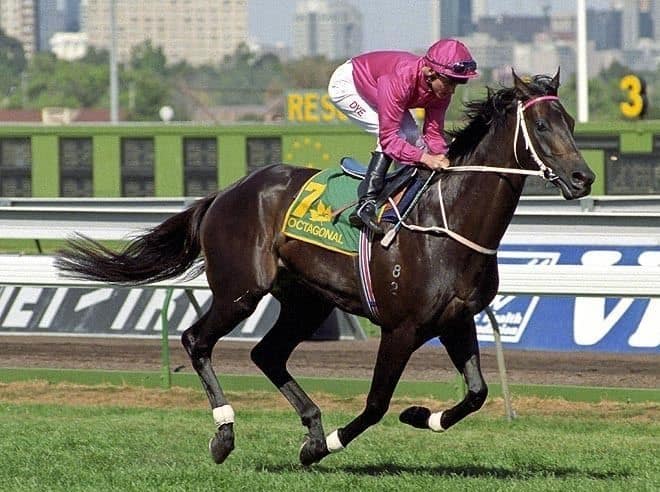
Certain families stand out as beacons of racing excellence, creating a legacy that transcends time. In the context of Australian horse racing, the Ingham family’s Woodlands Stud bloodlines have left an indelible mark, producing champions like Octagonal and Lonhro. Internationally, the Northern Dancer line has been a source of countless champions, showcasing the enduring impact of specific families on the global racing stage.


Octagonal Racehorse

Tips on Researching and Recognizing Successful Racehorse Family Lines:

Pedigree Analysis: 

Begin by conducting a thorough analysis of the prospective racehorse’s pedigree. Look for common names associated with past champions within the family lines. Tools like online pedigree databases can be invaluable in this process.

Performance Records

Scrutinize the performance records of ancestors within the family lines. Consistent victories in prestigious races and notable achievements are indicators of a strong and successful lineage.

Trainer and Breeder Insights

Seek insights from experienced trainers and breeders who may have worked with horses from the same family lines. Their expertise can provide valuable context and firsthand knowledge of the family’s racing capabilities.

Industry Reports and Publications:

Stay informed by reading industry reports and publications that highlight successful family lines. Keep an eye on updates about recent achievements and emerging talents within these pedigrees.

Bloodstock Sales Records:

Examine bloodstock sales records to identify trends in family lines. Horses from successful families often command higher prices, reflecting the perceived value and potential for success.

Conclusion:

Recognizing successful family lines is an art that requires a keen eye, thorough research, and an appreciation for the intricate tapestry of equine excellence.

As you embark on the journey of considering racehorse prospects, let the ancestral stories within their pedigrees guide your decisions.

Whether it’s the Ingham family’s Woodlands Stud dynasty or the globally renowned Northern Dancer line, each family brings its unique chapter to the grand narrative of horse racing.

By applying these tips and delving into the rich history of successful bloodlines, you can make informed choices that align with the traditions of racing greatness.

May your racehorse selections carry the echoes of champions and contribute to the ongoing legacy of excellence in the world of horse racing.

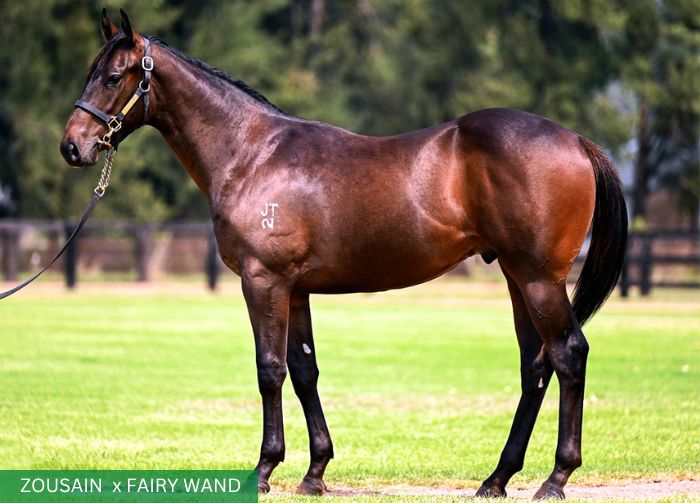
ZOUSAIN x FAIRY WAND

ZOUSAIN x FAIRY WAND

Trainer Phillip Stokes

Strong Athletic Colt. Outstanding Pedigree

Purchased : $150,000

FOR SALE
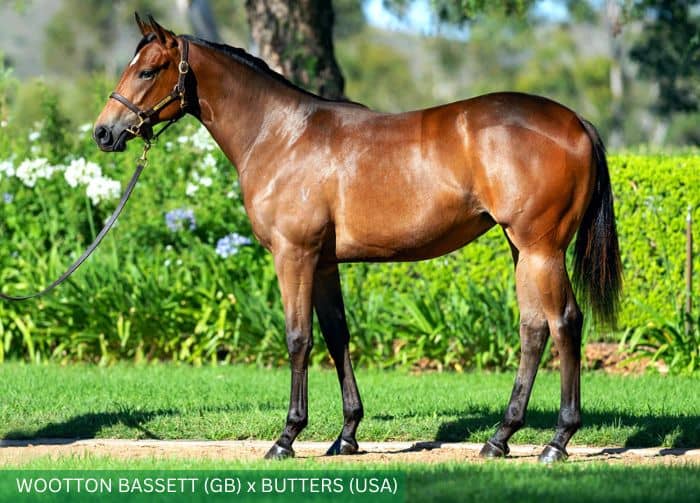
WOOTTON BASSETT x BUTTERS (USA)

WOOTTON BASSETT x BUTTERS (USA)

Trainer John McArdle

Stunning Filly. Half to GP1 Winner Foxplay

FOR SALE
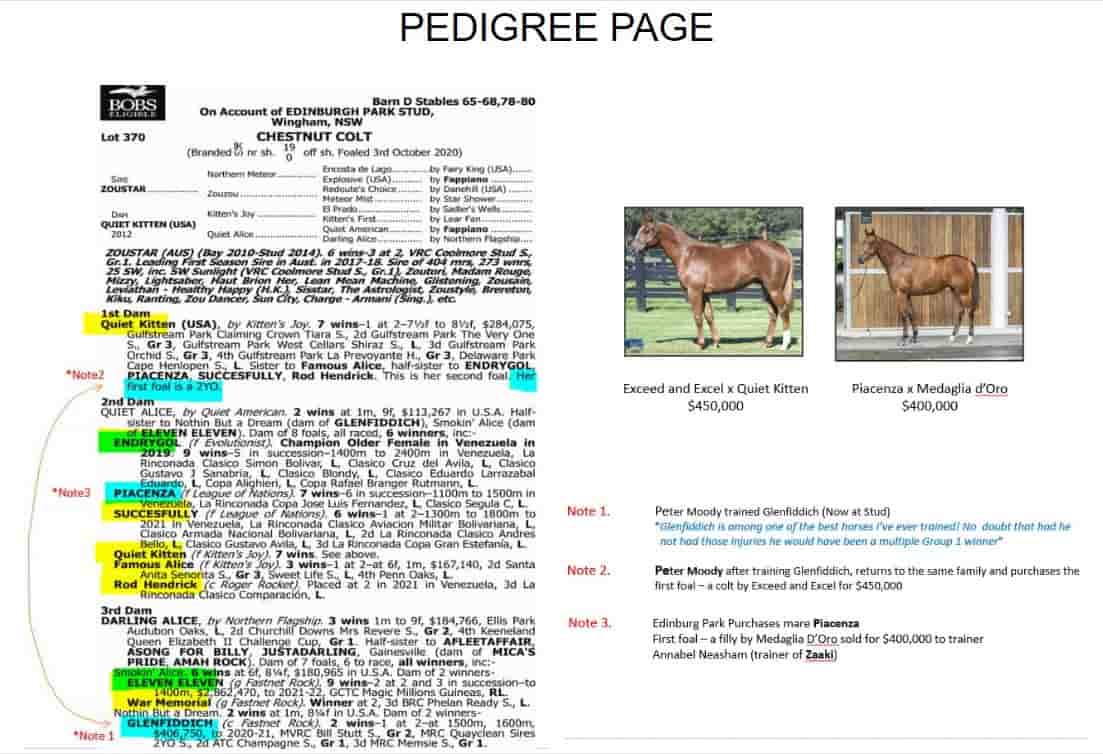
Written Tycoon x Quiet Kitten

Written Tycoon x Quiet Kitten

Trainer John McArdle

Tier 1 Filly. Proven International Pedigree

FOR SALE

Cracking the Winning Racehorse Formula.

Cracking the Winning Racehorse Formula.

Choosing an ideal Australian racehorse yearling prospect can be a daunting task, but with a little knowledge and some expert advice, it can become a rewarding experience. A yearling is a horse that is one year old and has yet to race. It is at this age that breeders and buyers must evaluate the horse’s conformation, pedigree, temperament, and potential racing ability.


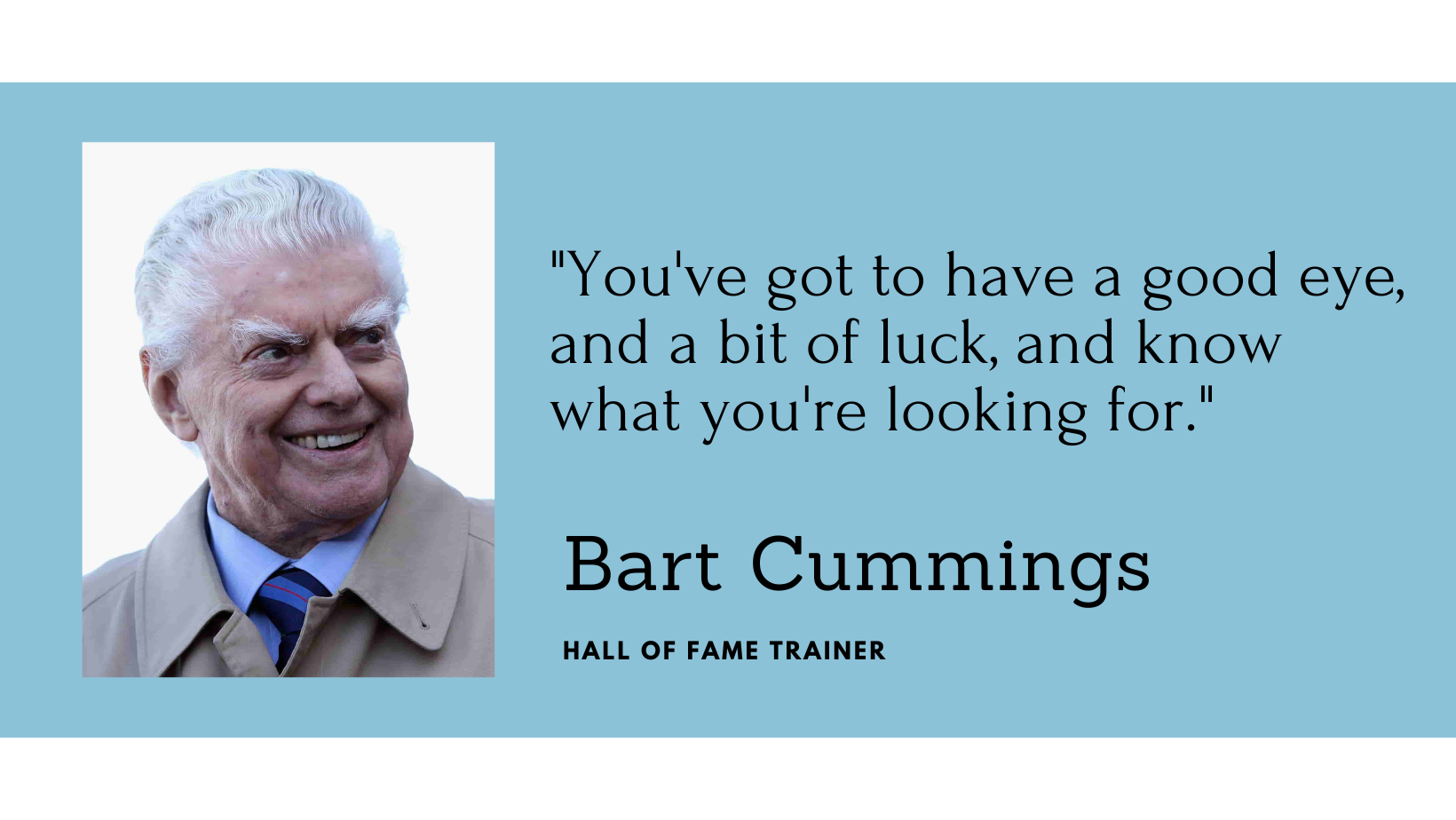
When it comes to choosing an ideal yearling prospect, the legendary Australian trainer, Bart Cummings, once said, “You’ve got to have a good eye, and a bit of luck, and know what you’re looking for.” This statement sums up the importance of having a keen eye for a horse’s conformation and understanding the complexities of the thoroughbred breeding industry.


Key Factors in Choosing the Future ChampioN

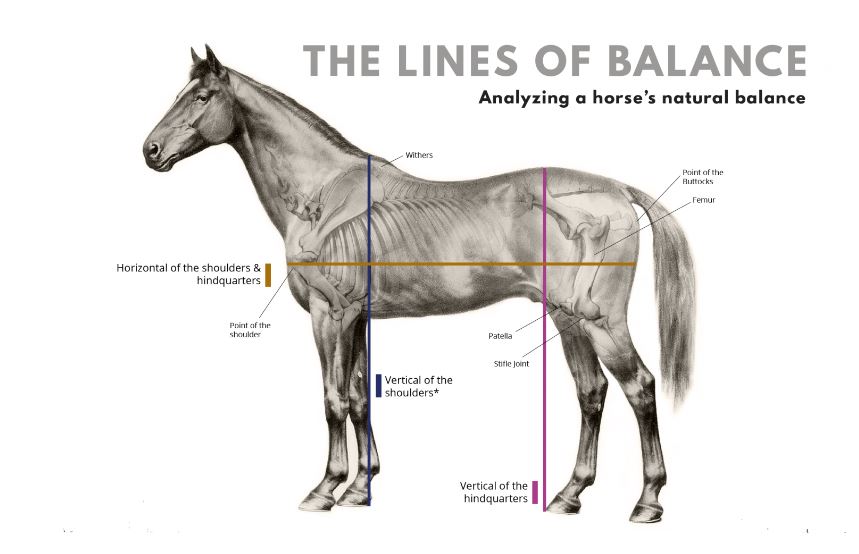
One of the first things to consider when choosing a yearling is its conformation. As mentioned earlier, a well-balanced horse with good limbs, a long stride, and a sloping shoulder is more likely to be successful on the track. A good conformation is essential as it helps reduce the risk of injury and enables the horse to move efficiently, which is critical for racing success.

CONFORMATION

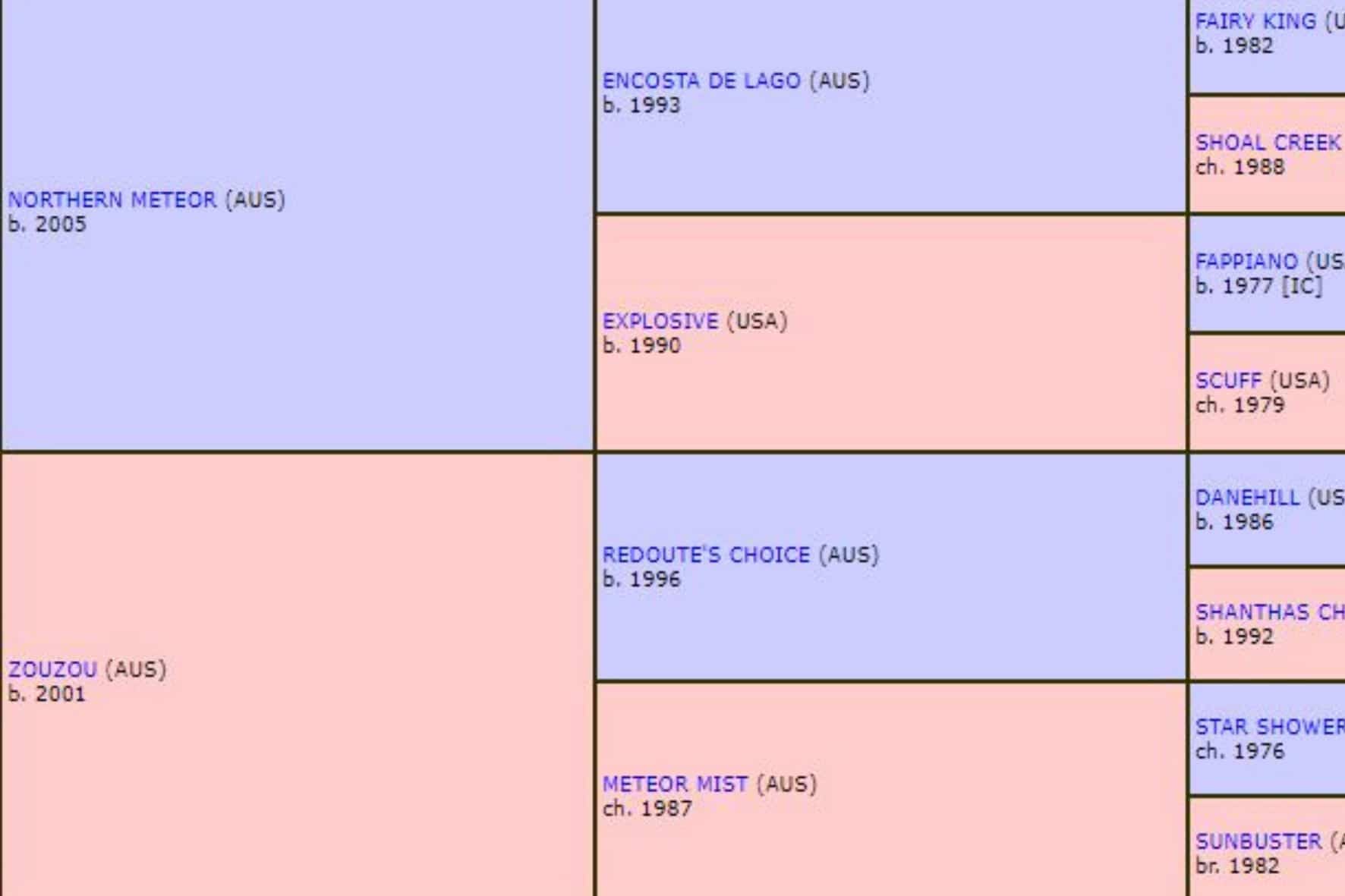
In addition to conformation, pedigree is another vital factor to consider. The horse’s pedigree can provide insight into its racing potential, including its speed and endurance. It’s important to look for horses with a history of producing successful racehorses, including both the sire and dam’s lines. The legendary Australian trainer, Gai Waterhouse, once said, “Pedigree is a wonderful thing, but it’s not the only thing.” This statement highlights the importance of considering the horse’s overall qualities, not just its breeding.


PEDIGREE

Temperament is also an important consideration when choosing a yearling. A horse with a good temperament will be easier to train and manage, and will be less likely to develop behavioral issues. The horse should be confident, willing, and curious, with a willingness to learn and a strong desire to please its handler.

TEMPERAMENT

Another important factor to consider is the horse’s potential for success in specific races or events. This requires an understanding of the different types of races and events and the horse’s racing style. For example, a horse with good speed and acceleration may be suited to sprinting, while a horse with good endurance may be better suited to longer distance races.

POTENTIAL

Finally, it’s important to work with experienced professionals who can provide valuable insights and advice. As Bart Cummings once said, “You can’t train a horse by a book. You’ve got to feel it.” Experienced trainers, breeders, and bloodstock agents have a wealth of knowledge and experience that can be invaluable in choosing an ideal yearling prospect

PROFESSIONALS

In conclusion, choosing an ideal Australian racehorse yearling prospect requires a combination of knowledge, experience, and a bit of luck. When evaluating a yearling, it’s important to consider the horse’s conformation, pedigree, temperament, and potential racing ability. By working with experienced professionals and having a keen eye for detail, breeders and buyers can increase their chances of success in the highly competitive world of Australian horse racing.

RACEHORSES FOR SALE

Deep field x it's a myth

Deep field x it's a myth

Trainer Phillip Stokes

Quality Colt. Super Pedigree

Purchased : $225,000

FOR SALE
Written Tycoon x Quiet Kitten

Written Tycoon x Quiet Kitten

Trainer John McArdle

Tier 1 Filly. Proven International Pedigree

FOR SALE
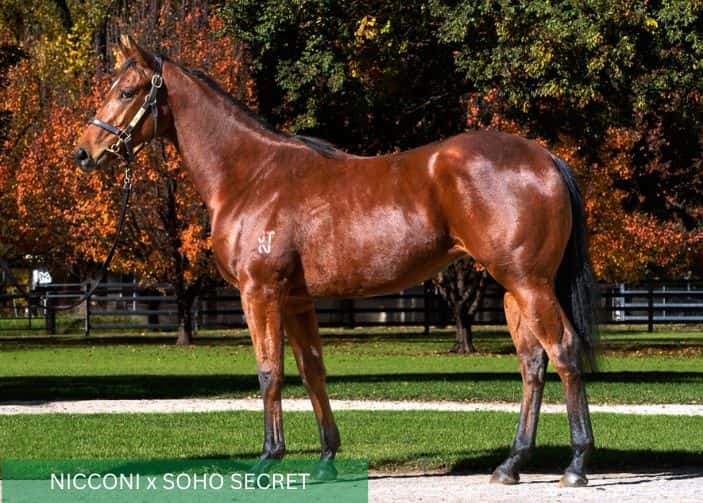
NICCONI  X SOHO SECRET

NICCONI X SOHO SECRET

Trainer Phil Stokes

Stunning Filly. Half to GP1 Winner Vanbrugh

FOR SALE

Unlocking the Power of Pedigree

Unlocking the Power of Pedigree


When it comes to choosing an Australian racehorse yearling, the horse pedigree can be a crucial factor in determining a horse’s potential racing ability. The pedigree of a horse refers to its ancestry and the breeding history of its parents and grandparents. A horse’s pedigree can provide valuable insights into its genetic makeup, racing ability, and potential for success on the track. In this blog, we’ll explore how to use racehorse pedigree to pick the perfect Australian racehorse yearling from sales.


 Unraveling horse pedigrees in bloodlines


The first step in using pedigree to select a racehorse yearling is to research the bloodlines of the horse’s parents and grandparents. Look for horses with a history of success on the track, such as Group 1 winners, or horses that have produced successful offspring. A horse’s pedigree can also reveal any potential weaknesses or limitations, such as a lack of stamina or a tendency towards injury.


Hall of Fame Trainer - Bart Cummings

“The pedigree is the blueprint, but the individual is the final product.”

Bart Cummings, one of the most successful racehorse trainers in Australian history, once said, “The pedigree is the blueprint, but the individual is the final product.” This quote highlights the importance of considering both the horse’s pedigree and its individual characteristics when selecting a yearling. A horse’s conformation, temperament, and potential racing ability should also be considered in addition to its pedigree.


The power of a strong female lineage.


Gai Waterhouse, another prominent Australian racehorse trainer, emphasizes the importance of selecting yearlings with a strong female lineage. Waterhouse has trained multiple Group 1 winners with strong maternal lines, such as the mare More Joyous, whose dam, Sunday Joy, was also a Group 1 winner. Waterhouse believes that a strong female lineage can increase the chances of success on the track and improve the horse’s breeding potential.

Gai Waterhouse

Prominent Australian racehorse trainer

Expert guidance for selecting the perfect horse.


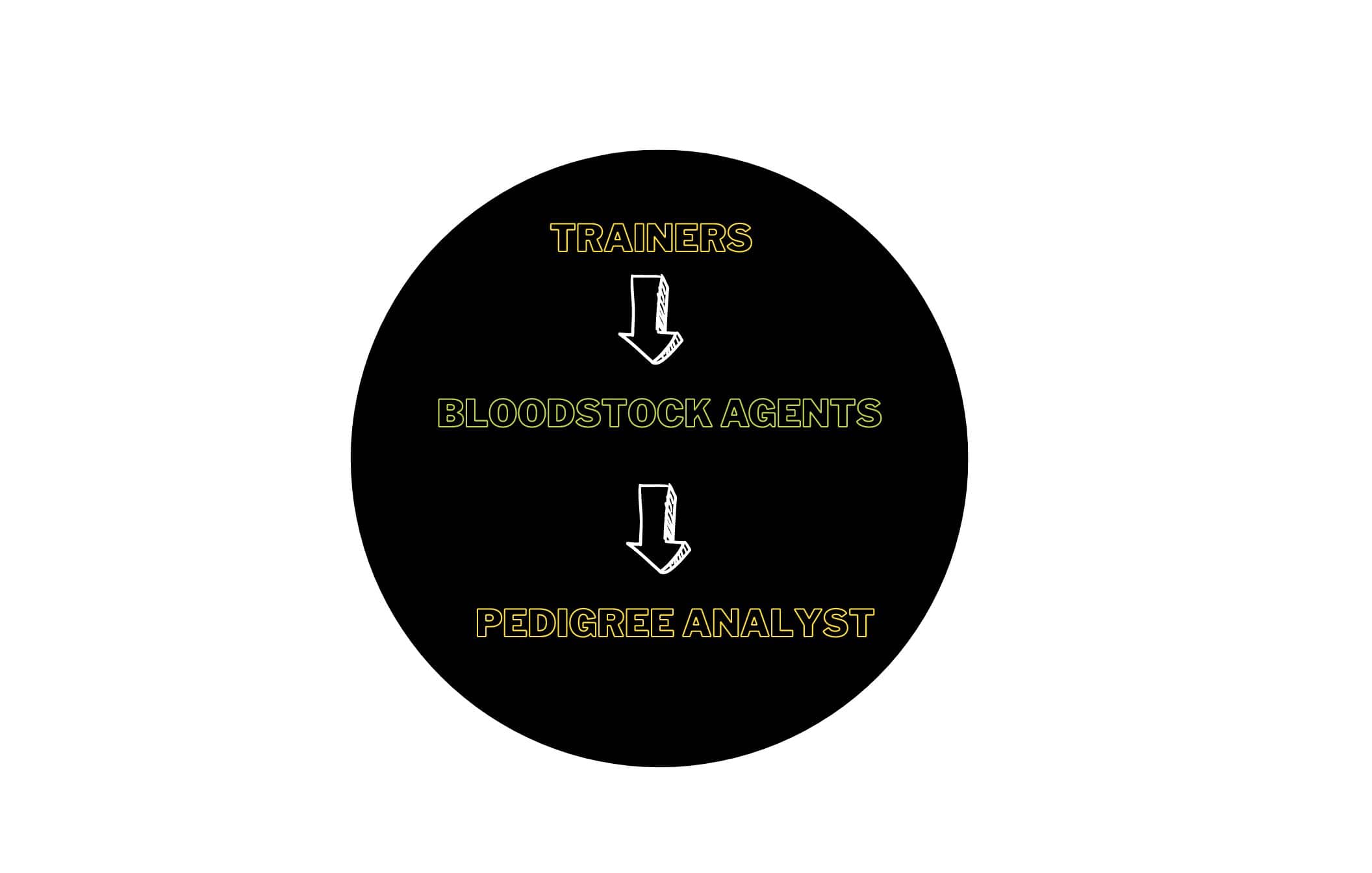
When it comes to selecting a racehorse yearling from sales, it’s essential to work with experienced professionals who can provide valuable insights and advice. Trainers, bloodstock agents, and pedigree analysts can all provide valuable expertise and guidance in selecting the right horse.


In conclusion, using pedigree to select an Australian racehorse yearling can be a valuable tool in predicting a horse’s potential racing ability and success on the track. Researching a horse’s bloodlines, considering its individual characteristics, and working with experienced professionals can all increase the chances of selecting a winning yearling. By following these tips and using pedigree to inform your decision-making, you can increase your chances of selecting the next champion Australian racehorse yearling from sale.


RACEHORSES FOR SALE

Deep field x it's a myth

Deep field x it's a myth

Trainer Phillip Stokes

Quality Colt. Super Pedigree

Purchased : $225,000

FOR SALE
Written Tycoon x Quiet Kitten

Written Tycoon x Quiet Kitten

Trainer John McArdle

Tier 1 Filly. Proven International Pedigree

FOR SALE
NICCONI  X SOHO SECRET

NICCONI X SOHO SECRET

Trainer Phil Stokes

Stunning Filly. Half to GP1 Winner Vanbrugh

FOR SALE

The Power of Line Breeding

The Power of Line Breeding


When it comes to selecting an Australian racehorse yearling, line breeding is a strategy that can provide valuable insights into a horse’s potential for success on the track. Line breeding involves breeding two horses who are closely related, such as a sire and daughter, or a full brother and sister. In this blog, we’ll explore the importance of line breeding when selecting an Australian racehorse yearling.


Line breeding can be used to reinforce desirable traits in a horse’s pedigree, such as speed, stamina, or soundness. By breeding closely related horses, it’s more likely that the offspring will inherit these desirable traits. Line breeding can also be used to fix certain traits in a pedigree, such as conformation or temperament. This can result in a horse with a consistent and predictable performance record.


benefits of line breeding


One of the most significant benefits of line breeding is the preservation of valuable bloodlines. In horse racing, certain bloodlines have a proven track record of success, and line breeding can ensure that these bloodlines continue to be passed down to future generations. By preserving valuable bloodlines, line breeding can improve the overall quality of the horse population and increase the likelihood of producing successful racehorses.


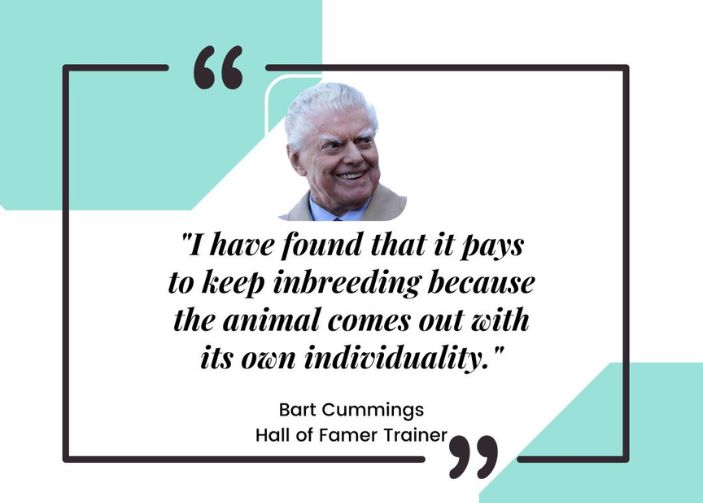
Legendary Australian racehorse trainer, Bart Cummings, was a strong advocate for line breeding. Cummings believed that line breeding was a crucial factor in producing successful racehorses, saying, “I have found that it pays to keep inbreeding because the animal comes out with its own individuality.” Cummings trained some of the most successful horses in Australian history, including 12 Melbourne Cup winners, and his approach to line breeding was a key factor in his success.


While line breeding can be an effective breeding strategy, it’s important to note that it can also increase the risk of inheriting genetic defects or weaknesses. It’s essential to research a horse’s pedigree thoroughly and consider any potential genetic risks before selecting a yearling for line breeding.


In conclusion, line breeding is an important factor to consider when selecting an Australian racehorse yearling. By breeding closely related horses, it’s possible to reinforce desirable traits, fix certain traits, and preserve valuable bloodlines. However, it’s crucial to research a horse’s pedigree thoroughly and consider any potential genetic risks before selecting a yearling for line breeding. By following these tips and using line breeding to inform your decision-making, you can increase your chances of selecting the perfect Australian racehorse yearling.

RACEHORSES FOR SALE

Deep field x it's a myth

Deep field x it's a myth

Trainer Phillip Stokes

Quality Colt. Super Pedigree

Purchased : $225,000

FOR SALE
Written Tycoon x Quiet Kitten

Written Tycoon x Quiet Kitten

Trainer John McArdle

Tier 1 Filly. Proven International Pedigree

FOR SALE
NICCONI  X SOHO SECRET

NICCONI X SOHO SECRET

Trainer Phil Stokes

Stunning Filly. Half to GP1 Winner Vanbrugh

FOR SALE

Should I Buy A Colt Or Filly?

Should I Buy A Colt Or Filly?


Should I buy a Colt or Filly?


 This is a common question we hear from prospective owners hoping to know the perfect way to spread risk and diversify their equine portfolios.

If you ask people what their ultimate dream is because horse owners, most will likely tell you it is winning the Golden Slipper, Magic Millions, Cox Plate or Melbourne Cup.

The reality is, in Australia fillies perform outstandingly well in our greatest races.


Regal Rossa

The Golden Slipper has been won 28 times by fillies and exactly 5 times in last 10 years.

Our best Sprinter – Black Caviar is a mare and arguably our best racehorse in last 20 years (Winx) is a mare.  The Melbourne Cup was won a record 3 times by arguably our best stayer in at least 20 years (Makybe Diva). 


Winx

Probably the best Japanese racehorse to race in Australia (winning the Cox Plate) Lys Gracieux was a mare. If you are set on one of the Big 3 races in Australia, you certainly are not disadvantaged purchasing fillies. 

Lys Gracieux

On the other hand, if you are seeking residual value by the conclusion of a racing career, colts are a riskier proposition than fillies if they do not wind up as top echelon racehorses.

If a colt has to be gelded throughout their racing career (and a number of them need to be), their residual value is minimal.

It is a very tight market for stallion prospects, so if they are not gelded they need to be commercially bred and highly performed on the racetrack to attract a significant residual price tag.

But if you are fortunate enough to own a well-bred, high performing colt, it could signify a stallion bargain worth huge dollars since as the top stallions in the world are worth hundreds of millions of dollars!

Having a filly is a safer prospect for potential investors as they are more likely to have residual value as broodmares after they performed on the racetrack.

Races for fillies and mares often don’t carry as much stature as races for the boys, but a winning mare with some pedigree frequently has more value than her male counterpart with a similar race album.

Breeding is a very serious business.

A well bought and marketable filly can provide high market interest and residual value returns even with a modest racing career.

We are always on lookout for these types of fillies.

Sunlight as an example was sold for $4.2 million, Milanova $5 million, Melody Belle 2.6 million. Arcadia Queen $3.2 million.

Consider this: while there have been over 21,000 foals born in 2021 from about 33,000 mares bred, the number of active stallions stood 1,600.

The main point is if you get a racehorse, you should pretty much consider racing.

If you are looking for breeding value before they even begin training, you may become disappointed.

A good horse can change your own life and take you around the planet, and it doesn’t matter if it is a filly, a colt, or a gelding.


RACEHORSES FOR SALE

Deep field x it's a myth

Deep field x it's a myth

Trainer Phillip Stokes

Quality Colt. Super Pedigree

Purchased : $225,000

FOR SALE
Written Tycoon x Quiet Kitten

Written Tycoon x Quiet Kitten

Trainer John McArdle

Tier 1 Filly. Proven International Pedigree

FOR SALE
NICCONI  X SOHO SECRET

NICCONI X SOHO SECRET

Trainer Phil Stokes

Stunning Filly. Half to GP1 Winner Vanbrugh

FOR SALE